


Ninety-Pound Rucksack Challenge
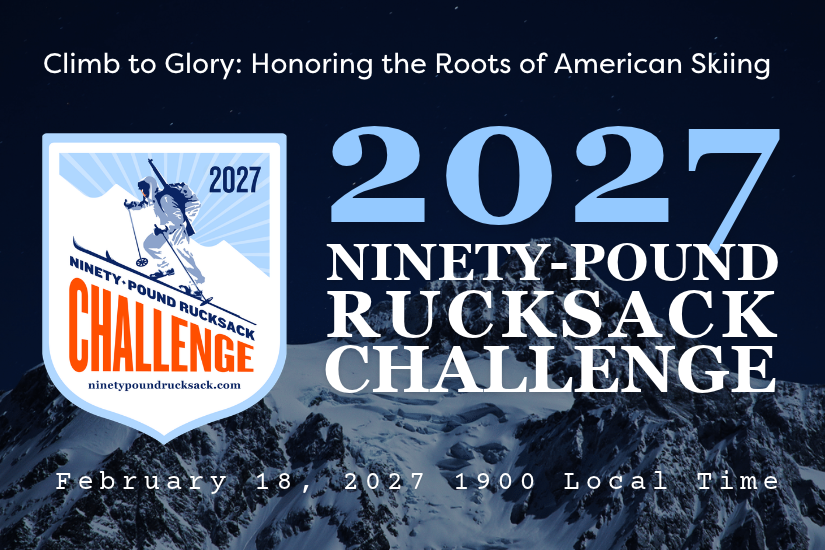
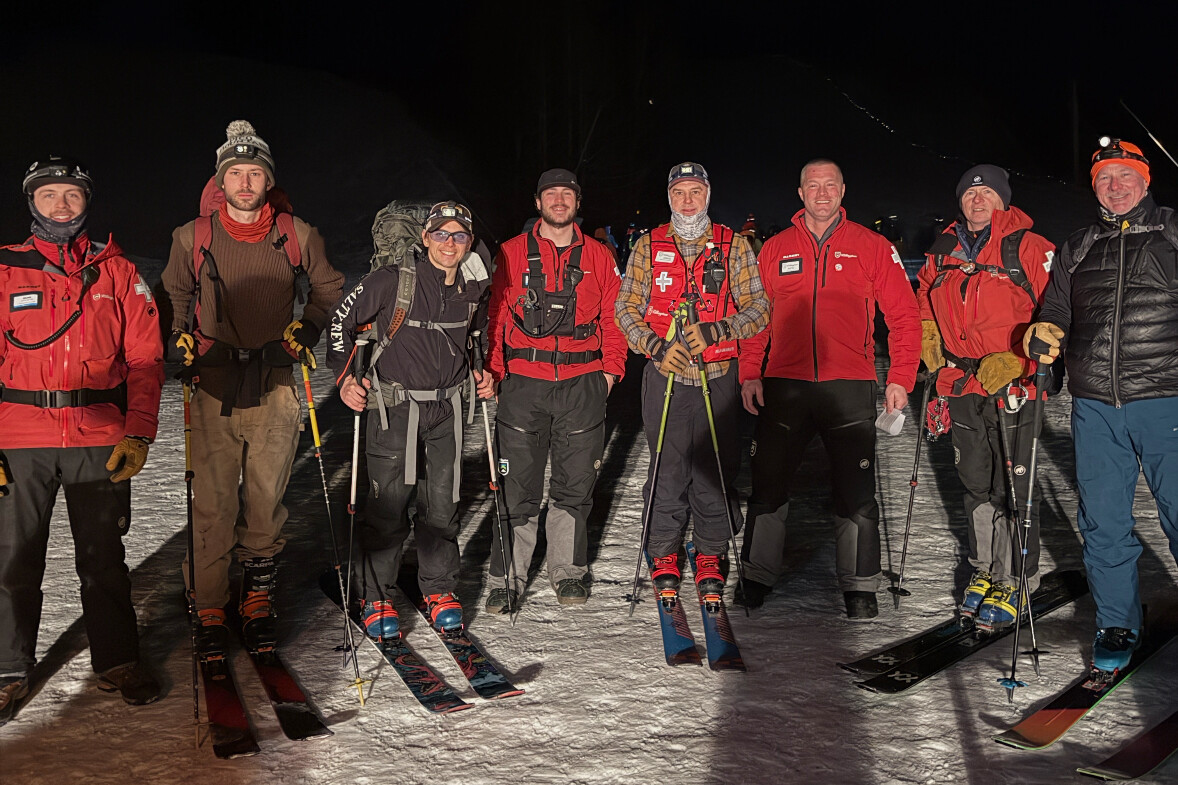
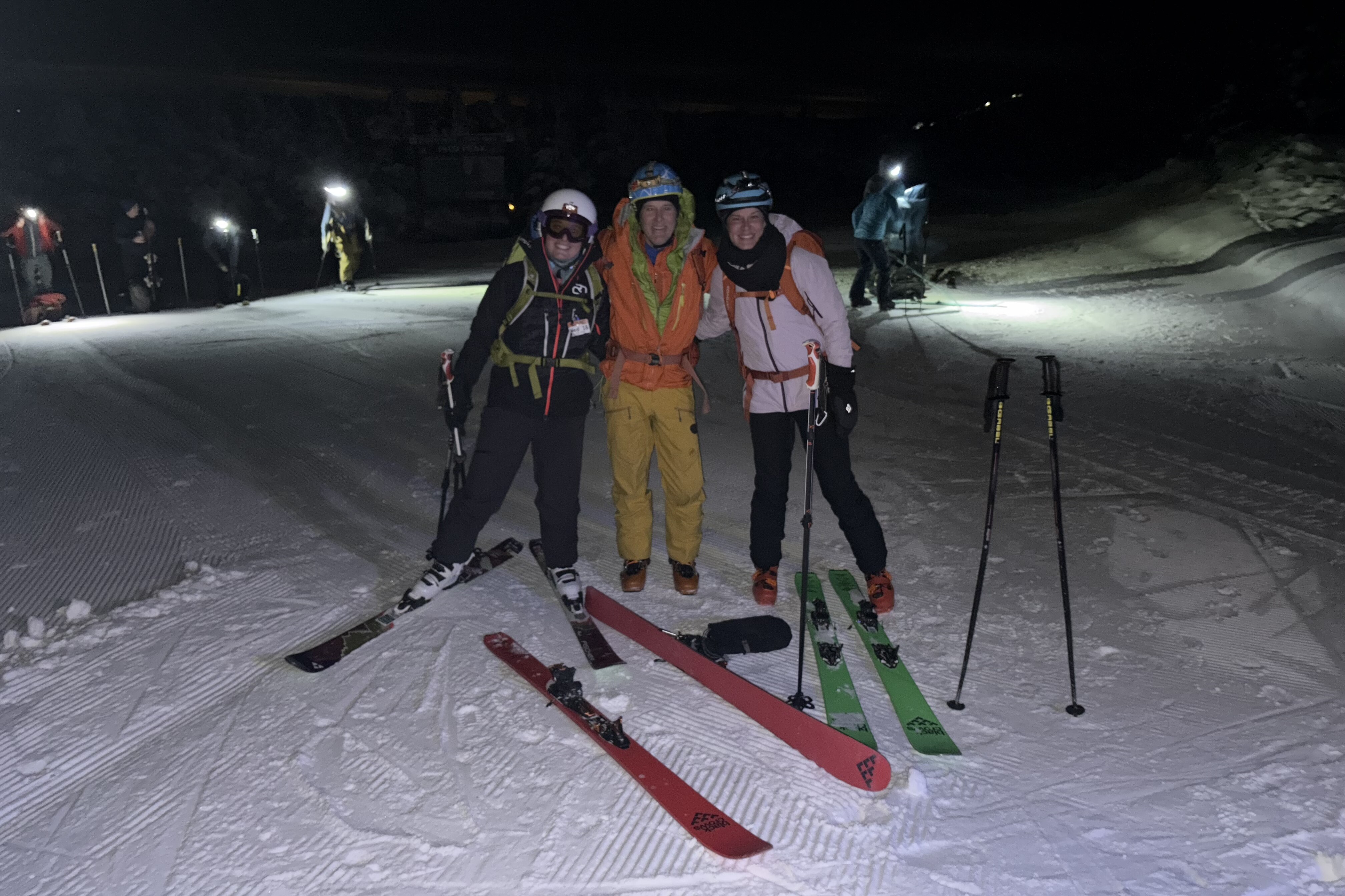
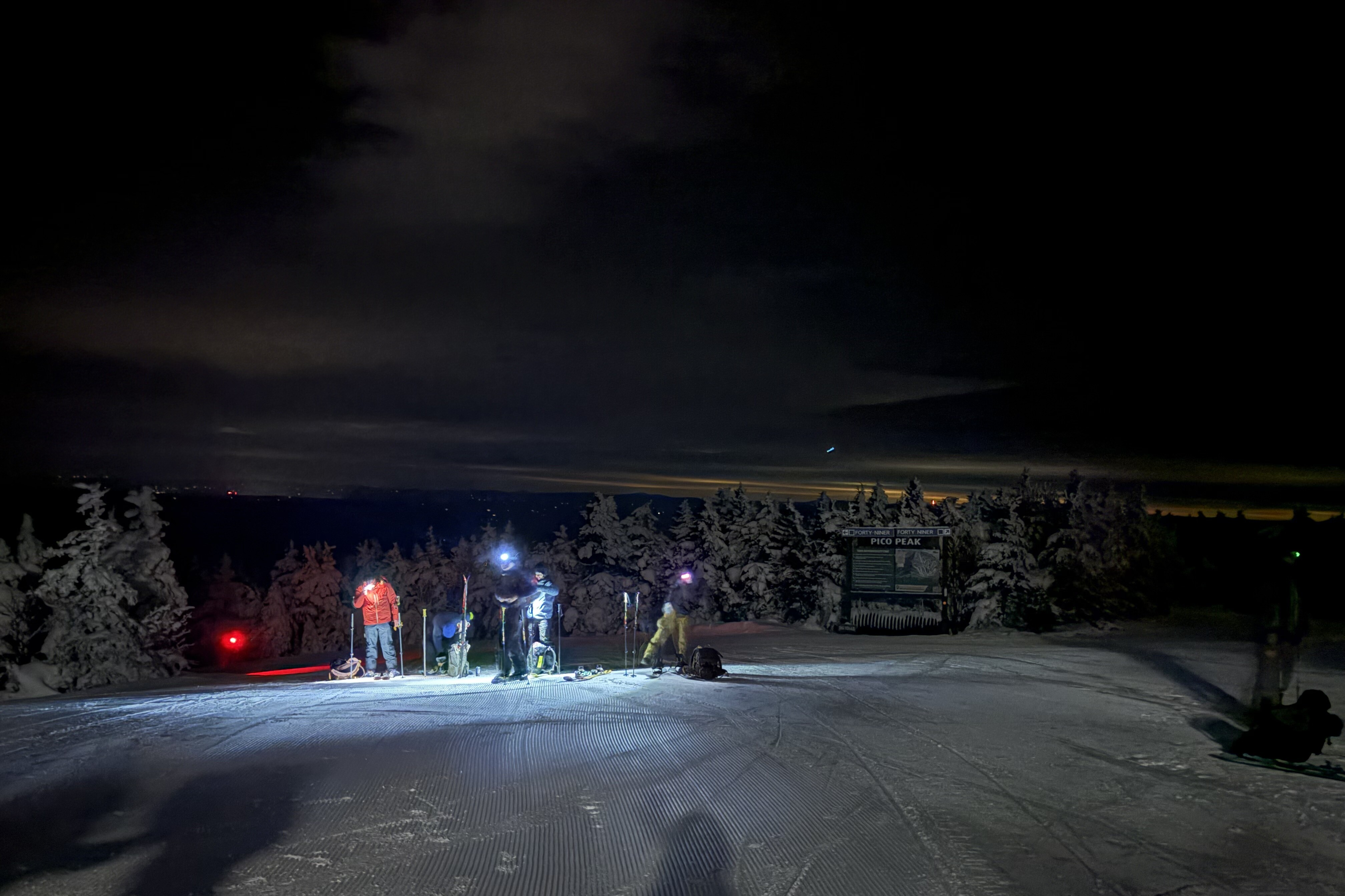
The Ninety-Pound Rucksack Challenge is an annual ski mountaineering event that honors the legacy of the 10th Mountain Division, their historic World War ll ascent of Riva Ridge, and their post-war contributions to American skiing. The event entails assenting a ski slope or backcountry route on February 18th at 7:00 p.m. local time - the anniversary of the Riva Ridge ascent.
Participants across the country recreate the 10th's legendary climb by ascending 1,500 to 2,500 feet and skiing back down. Participants can carry their regular kit, a percentage of their body weight, or no weight at all. This event is a chance to celebrate history, community, and the spirit of adventure embodied by the 10th.
The Challenge is brought to you by the producers of the Ninety-Pound Rucksack podcast, which recounts the Division's origin story and its impact on outdoor recreation in America.
Registration
Signing up for this event is free! Stay tuned for a link to register.
About the 10th Mountain Division
The US Army’s 10th Mountain Division was an unprecedented unit of expert mountaineers who trained for more than three years, often carrying ninety-pound “rucksacks,” or backpacks, to fight the Axis powers in extreme cold and mountainous terrain. In early 1945 they were inserted into Italy’s Apennine Mountains to break Hitler’s Gothic Line, a fortified series of summits and ridges that had stymied Allied advances for more than 500 days.
To do so, the soldiers first had to take a feature known as Riva Ridge. It was an escarpment so precipitous the Germans barely guarded it, for they considered it impossible for a company of soldiers to climb.
At 1900 (7:00 p.m.) on February 18, 1945, some 1,000 10th Mountain Division soldiers began a night-time ascent of the wall. Carrying packs that weighed up to 50 pounds, they climbed via four different routes that ranged from 1,500 to 2,500 feet of vertical gain to take the Germans on top without a casualty. Their successful ascent not only cracked the Gothic Line; it precipitated the German surrender of Italy and hastened the end of the war as well.
In the peace that followed, more than 2,000 veterans of the 10th became ski instructors, operated ski schools and developed ski areas around the country, including Aspen, Vail, A-Basin, Crystal Mountain, Sugarbush, Mt. Hood and Mt. Bachelor.